
Dekton vs Lapitec has become one of the most discussed topics among architects, designers, and homeowners who are looking for premium surface materials. As ultra-compact, engineered stone continues to grow in popularity, many people want to understand which material offers the best performance, durability, and aesthetics for different applications. Although both are leaders in the sintered stone category, there are important distinctions that can help you choose the right surface for your next renovation or construction project.
What Is Sintered Stone?
Sintered stone is a material created through a high-temperature and high-pressure manufacturing process known as sintering. This technology mimics the natural formation of stone but accelerates it into hours rather than millions of years. The result is a surface that is:
- Non-porous
- Scratch resistant
- Heat and UV resistant
- Chemical and stain resistant
- Low maintenance
Dekton and Lapitec are two of the most reputable brands offering sintered stone products, each with unique finishes, colors, and technical properties.
Dekton: Strong, Versatile, and Technology-Driven
Developed by Cosentino, combines advanced raw materials including porcelain, glass, and quartz. It is known for its incredible resistance to heat and thermal shock, which means hot pans, pots, and appliances can be placed directly on the surface without leaving marks. Dekton is also available in large slab sizes, allowing for seamless countertops, waterfall edges, and modern wall panels with minimal visible joints.
Some of the most popular Dekton features include:
- High UV resistance for outdoor installations
- Impressive scratch and abrasion resistance
- Multiple thickness options, including ultra-thin panels
- A wide range of natural stone patterns
Dekton is a favorite choice for kitchen countertops, outdoor kitchens, patio surfaces, and facade cladding.
Lapitec: Premium Finishes and Italian Craftsmanship
Lapitec is an Italian-made sintered stone recognized for its luxurious surface textures and elegant finishes. While Dekton focuses on industrial innovation, Lapitec emphasizes craftsmanship and design sophistication. Lapitec slabs are known for their silky, tactile feel, making them popular for interior applications where touch and texture matter.
Lapitec benefits include:
- Food-safe, non-toxic surface
- Anti-slip finishes for wet areas
- Resistance to UV, frost, and humidity
- Fewer resins and no silica-based binders
Many architects use Lapitec for spa-style bathrooms, luxury pool areas, kitchen islands, and minimalist wall designs.
Performance Comparison: Dekton vs Lapitec
Choosing between Dekton and Lapitec often depends on the project type. Here is a simplified comparison:
Heat Resistance
- Dekton: Exceptional — withstands direct heat and flame
- Lapitec: Excellent — suitable for hot areas but better to use trivets for extreme temperatures
Outdoor Use
- Dekton: Ideal for rooftops, patios, cladding, and BBQ counters
- Lapitec: Great for pool surrounds, exterior walls, and shaded outdoor surfaces
Surface Texture Options
- Dekton: Many industrial, stone-look, and matte finishes
- Lapitec: Smoother, more refined, and premium textures
Color Collections
- Dekton: Wide variety, including marble looks and concrete designs
- Lapitec: Elegant, minimal, and curated natural tones
Price Range
- Similar range depending on thickness, finish, and design complexity
Which One Should You Choose?
If your project involves heavy use, outdoor exposure, or contact with heat, Dekton is generally the better option due to its thermal durability and industrial strength. It performs exceptionally well in high-traffic areas and tropical climates where sunlight and humidity can damage other materials.
If aesthetics, texture, and a more luxurious interior feel are your priority, Lapitec is an excellent choice. Designers appreciate its soft surface character and beautiful natural shades that complement contemporary architecture.
Applications for Both Materials
Both Dekton and Lapitec are suitable for:
- Kitchen countertops and islands
- Bathroom vanities and shower walls
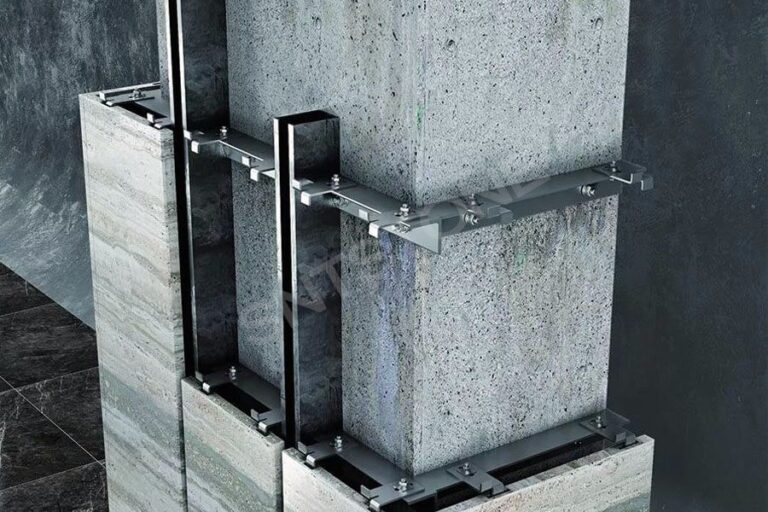
- Exterior cladding and facades
- Swimming pool surrounds
- Flooring and staircases
- Commercial spaces
Whether used in residential or commercial design, these sintered stone products offer long-term performance with minimal maintenance.
Conclusion
In the debate of Dekton vs Lapitec, there is no single winner instead, the best choice depends on your design goals, environment, and functional requirements. Dekton excels in durability and outdoor performance, while Lapitec stands out for elegant finishes and refined texture. Both offer exceptional quality compared to natural stone and engineered alternatives, making them the ideal future-proof solution for modern surface applications.