
The science behind sintered stone such as Lapitec and Dekton explains why these materials have become the gold standard for high-performance architectural surfaces. Unlike natural stone, which forms over thousands of years, sintered stone is engineered through advanced industrial processes that replicate and accelerate natural geological forces. This scientific approach produces ultra-durable, non-porous, and versatile surfaces that outperform traditional materials in both residential and commercial architecture.
Understanding how Lapitec and Dekton are made provides insight into why they are widely used for kitchen countertops, outdoor areas, façades, bathrooms, and poolside applications.
1. What Is Sintered Stone? A Scientific Overview
Sintered stone materials are created by compacting natural minerals under extreme heat and pressure, a process known as sintering. This method mimics the natural formation of stone but in a controlled manufacturing environment.
The raw materials typically include:
- Quartz and silica
- Feldspar and clays
- Natural mineral oxides
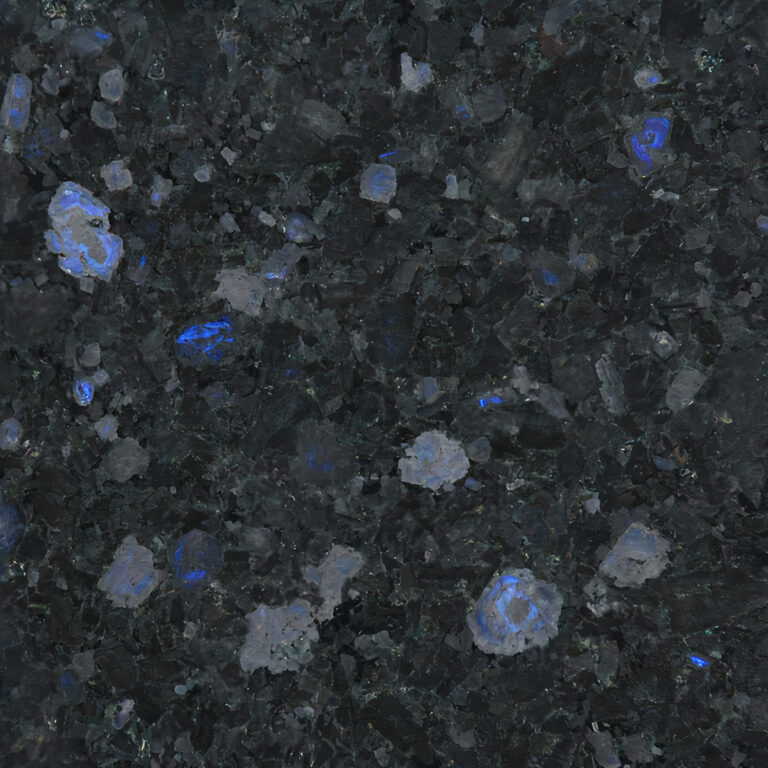
These components are carefully selected, crushed, and blended to achieve precise mineral compositions. The mixture is then subjected to extremely high temperatures — often exceeding 1,200°C — and intense pressure to fuse the particles together into a solid, ultra-dense slab.
The result is a surface that is structurally stable, non-porous, and exceptionally resistant to physical and chemical stress.
2. How Lapitec Is Made: Full-Body Sintered Stone Technology
Lapitec sintered stone is produced using a patented full-body sintering process developed in Italy. One of Lapitec’s defining characteristics is that its color, texture, and composition run consistently throughout the entire slab — from the surface to the core.
Key steps in the Lapitec manufacturing process include:
- Selection of 100% natural minerals with no resins or synthetic binders
- Precise mineral blending to ensure uniform color and texture
- High-pressure compaction to eliminate air pockets
- Ultra-high-temperature firing to create a fully vitrified structure
Because Lapitec contains no resins, it is extremely stable under heat and UV exposure. Its full-body composition ensures visual consistency even on edges and cut surfaces, making it ideal for luxury architectural detailing.
3. How Dekton Is Made: Particle Sintering Technology (PST)
Dekton sintered stone is manufactured using Cosentino’s proprietary Particle Sintering Technology (PST). This process combines advanced mineral fusion with extreme pressure and heat to create one of the most durable surfaces available today.
Dekton’s production process involves:
- Blending quartz, porcelain, and glass particles
- Advanced compaction techniques to create ultra-dense slabs
- High-temperature sintering for maximum strength
- Controlled cooling to prevent internal stress
Dekton’s unique composition results in exceptional resistance to scratches, heat, UV radiation, and thermal shock. This makes Dekton particularly suitable for high-traffic areas and extreme outdoor environments.
4. The Science of Zero Porosity and High Performance
Zero-porosity sintered stone surfaces are a direct result of the sintering process. The extreme heat and pressure eliminate microscopic gaps within the material, preventing liquids, oils, and chemicals from penetrating the surface.
Scientific benefits of zero porosity include:
- Resistance to stains and discoloration
- No water absorption
- Inhibition of bacteria and mold growth
- Enhanced hygiene and food safety
This scientific advantage is why sintered stone is widely used in kitchens, pantries, bathrooms, and healthcare environments.
5. Thermal Stability, UV Resistance, and Chemical Durability
Sintered stone performance is rooted in its mineral composition and vitrified structure. Both Lapitec and Dekton exhibit:
- High thermal resistance, allowing direct contact with hot cookware
- UV stability, preventing color fading in outdoor use
- Chemical resistance to acids, alkalis, and cleaning agents
Unlike natural stone, which may crack or discolor under extreme conditions, sintered stone maintains structural integrity and visual consistency over time.
6. Precision Engineering and Design Flexibility
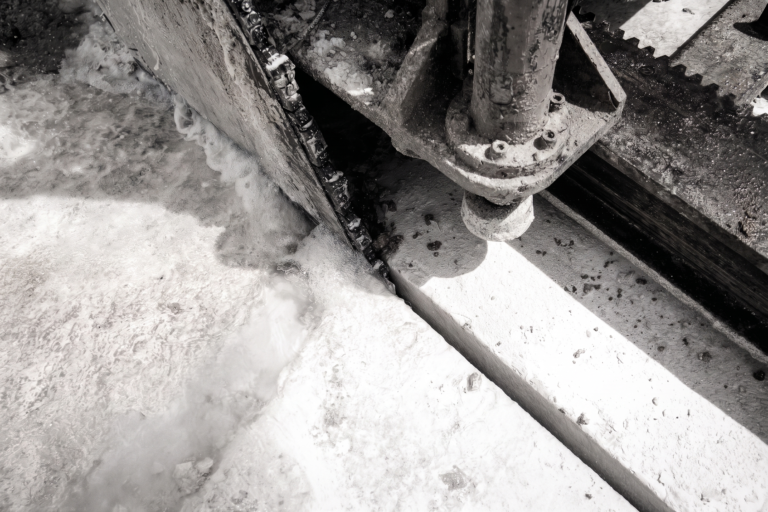
Engineering precision in sintered stone allows for the production of large-format slabs, thin panels, and custom finishes. This precision enables architects and designers to push creative boundaries without compromising performance.
Applications include:
- Seamless kitchen islands
- Large-scale façades
- Curved or custom-fabricated surfaces
- Interior and exterior cladding
With expert fabrication and installation from surface specialists like MM Galleri, sintered stone can be tailored to meet complex architectural requirements.
Conclusion: Science as the Foundation of Superior Surfaces
The science behind sintered stone explains why materials like Lapitec and Dekton have transformed modern architecture. Through advanced mineral selection, extreme heat, and precise engineering, sintered stone delivers unmatched durability, hygiene, and design flexibility.
As architectural demands continue to evolve, the scientific advantages of sintered stone position it as the future of high-performance surface materials. For luxury projects that require strength, beauty, and long-term reliability, sintered stone is built on science — and designed to last.