
Dekton and Lapitec are transforming the world of architectural and interior design, offering a revolutionary alternative to traditional surface materials such as natural stone, quartz, laminate, and tile. As consumer expectations evolve toward durability, minimal maintenance, and long-term performance, engineered stone surfaces have become the number one choice for premium residential and commercial projects. The rise of ultra-compact materials marks a shift in the industry — designers are no longer restricted by the limitations of marble or granite, and homeowners can finally enjoy surfaces that look luxurious while resisting wear over time.
What Makes Engineering Stone Different?
Engineered stone like Dekton and Lapitec is produced through a high-tech sintering process that uses extreme heat and pressure to create a non-porous, ultra-dense surface. Unlike natural stone, these materials are uniform, controlled, and engineered for performance. They are highly resistant to scratching, staining, thermal shock, UV exposure, and chemical damage. This means no sealing, no polishing, and no heavy maintenance — making them ideal for busy households, commercial kitchens, or outdoor living areas.
Zero Porosity for Better Hygiene
One of the most significant advantages of Dekton and Lapitec is their zero-porosity surface, which eliminates the need for sealing and prevents bacteria, mold, and liquid absorption. This feature is especially important in areas like kitchen countertops, bathroom vanities, shower walls, and outdoor bars. Spills from coffee, citrus, oil, wine, or household cleaners will not penetrate the surface. Wiping is enough, and there is no long-term staining.
Heat and UV Resistance for Indoor and Outdoor Use
Traditional countertops can be damaged by heat or sunlight, but Dekton and Lapitec are both engineered to withstand high temperatures and UV exposure. Hot pans, coffee makers, and outdoor grills will not cause discoloration or warping. This makes engineered stone a smart choice for:
- Outdoor kitchens
- Poolside areas
- Exterior facades
- Patio countertops
- Rooftop entertainment spaces
In tropical climates, where sunlight and humidity are constant challenges, engineered stone materials outperform natural alternatives.
Sustainable and Eco-Friendly Materials
As sustainability becomes a priority in architecture, engineered stone surfaces offer an environmentally responsible option. Many Dekton and Lapitec products are manufactured using recycled materials, low-waste production techniques, and long life cycles, helping reduce disposal and replacement needs. Their durability ensures fewer materials end up in landfills over time.
Aesthetic Versatility and Design Possibilities
While quarry availability and geological patterns limit natural stone, engineered stone gives architects complete design freedom. Dekton and Lapitec are available in:
- Marble-look veins
- Concrete textures
- Slate finishes
- Solid monochrome tones
- Industrial metallic styles
Large slab formats allow for minimal grout lines, seamless backsplashes, and uninterrupted surfaces, giving modern interiors a clean, minimalist aesthetic.
Ideal for High-End Residential and Commercial Projects
Luxury hotels, modern villas, restaurants, retail spaces, and office buildings are increasingly choosing engineered stone over natural materials. The combination of performance and visual impact makes it perfect for:
- Kitchen islands and countertops
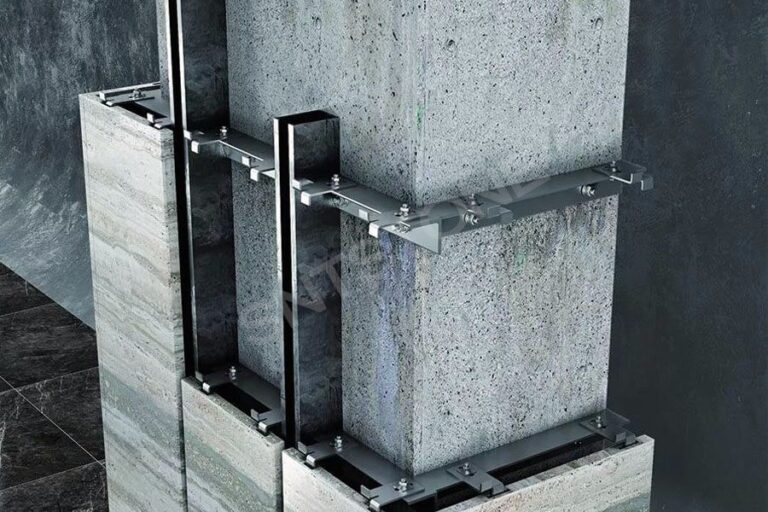
- Facade cladding
- Wall panels
- Flooring
- Bathroom surfaces
- Pool decks and landscaping
Designers appreciate surfaces that maintain their appearance for many years without frequent repair or maintenance.
Conclusion
Dekton and Lapitec represent the future of modern surface technology by delivering strength, beauty, hygiene, and durability in a single material. As demand continues to grow for long-lasting, low-maintenance, and visually sophisticated architectural solutions, engineered stone is positioned to dominate the market. Whether used indoors or outdoors, for residential or commercial projects, these ultra-compact surfaces offer a level of performance unmatched by traditional stone.