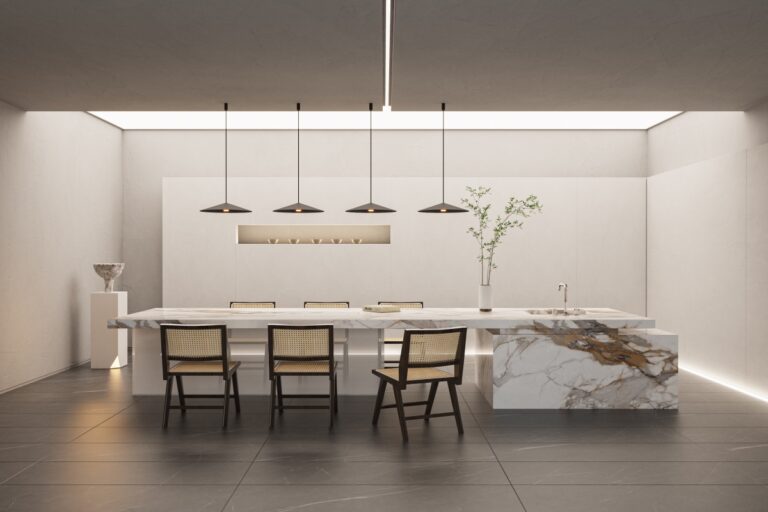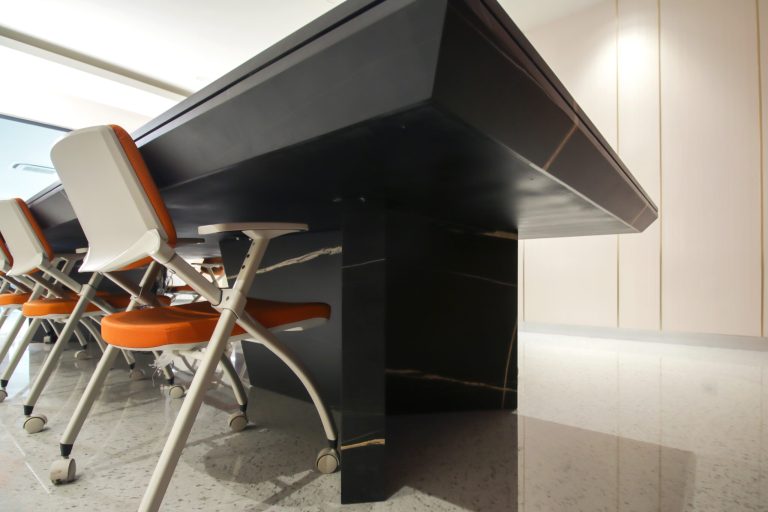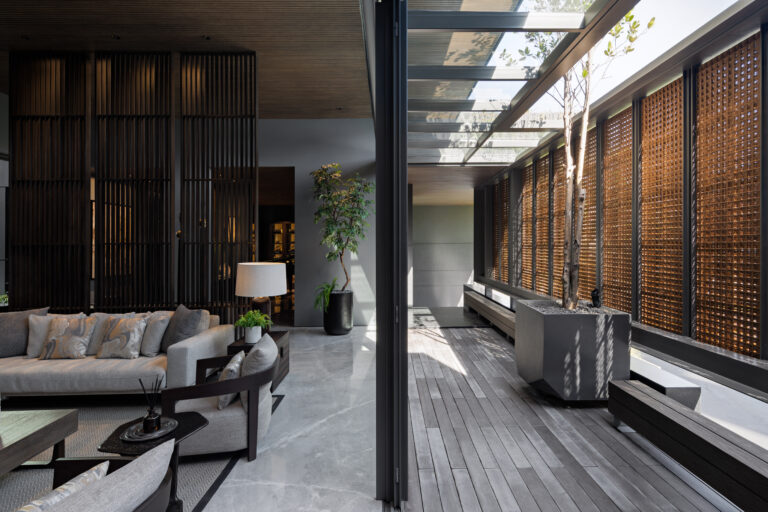

The marble trends of 2026 move away from plain white. Designers and design magazines point to four shifts: colour in the veining, led by violet and plum stones such as Calacatta Viola and Arabescato Violet; warmer palettes; honed surfaces in place of high gloss; and the countertop edge treated as a design feature again.
None of these is entirely new. Coloured marble filled Roman villas and Baroque chapels long before white Carrara became the shorthand for luxury. What has changed is the mood. After a decade of grey-veined white kitchens that looked much alike, people want a stone that could only belong to their room.
This guide walks through each shift, says plainly which ones we think will last, and shows how each one looks in real stone rather than on a mood board.
Why is white marble giving way to colour?
White marble is not going anywhere; it is simply no longer the automatic answer. Design magazines including Living Etc have reported designers specifying richly veined slabs with purple, deep green and burgundy movement, often set against timber. Lifestyle titles in the United States and the United Kingdom describe the same move away from cool, uniform surfaces.
The reasoning is easy to follow. A plain white engineered top can be copied in any showroom in the world. A slab with a violet vein running through it was formed once, in one place, and the next block from the same quarry will look different. For a client paying for natural stone, that uniqueness is the point.
There is also a practical side. Strong veining is forgiving. A small etch mark or a fine chip on a pure white stone draws the eye straight to it; on a heavily patterned stone it disappears into the movement.
Which violet marbles are designers asking for?
The violet family is the clearest single trend in marble this year. These stones share a white or ivory ground broken by veins that run from soft lilac to deep plum and wine. The ones in our collection include:
- Arabescato Violet, from Turkey, with white fragments packed in wine and plum seams.
- Calacatta Viola, the Italian original, with violet and grey veining on a bright ground, flowing in some blocks and broken in others.
- Calacatta Violet and Calacatta Paonazzo, both in the Calacatta family of warm whites with strong, open veining.
- Breccia Violetta, a breccia: fragments of stone cemented together, so the pattern is broken and angular rather than flowing.
- Lilac White and Violetta Grey, the quieter members, where the colour is a wash rather than a statement.
- Onyx Violet, the onyx in the family, for those who want the colour in a different stone altogether.
Stock changes from week to week, and no two slabs from the same block are identical. The only reliable way to choose a violet stone is to stand in front of the actual slabs, ideally in daylight.
Where does violet marble work best?
Violet marble is strongest where it is seen in one confident gesture: a bathroom vanity and the wall behind it, a bar front, a powder room clad floor to ceiling, a dining table top. These are rooms people pass through or sit in for a while, which suits a stone with this much personality.
We are more cautious about a full violet kitchen. A large island in Calacatta Viola is beautiful, but it sets the colour of the whole room for twenty years. If you love the stone, consider it for the island alone, with a calmer stone or timber on the perimeter.
Are warm tones replacing cool grey marble?
Yes, and this is the shift we expect to last longest. Designers and design magazines describe a turn from grey towards sand, taupe, honey and beige. In stone, that means travertine, cream marbles with soft golden veining, honey-coloured onyx, and warm whites in the Calacatta family rather than the blue-grey whites of the last decade.
Warm stone also pairs naturally with the other materials people are choosing now: oak and walnut, brushed brass, unlacquered bronze, linen. In a tropical home it has another advantage: it sits comfortably with the strong, warm light of the equator, where a cool grey stone can look flat and slightly cold by late afternoon.
Why are honed finishes overtaking high polish?
A honed finish grinds the stone smooth but stops before the shine, leaving a soft matte surface. It feels like stone rather than glass, and it hides the faint etch marks that acidic food and drink leave on marble. A mirror polish shows every one of them along the light.
Polish is not wrong. In a hallway, on a wall or on a bathroom vanity, a polished surface makes colour look deeper and veining sharper. Our honed vs polished vs leather finish guide sets out the trade-offs room by room. For a kitchen worktop in marble, our position is simple: honed, in most cases.
For clients who want a natural stone worktop with more resistance than honing alone gives, we developed StainZero in 2024. It is our own coating, applied in the factory, that makes any natural stone resistant to scratches, heat and strong acids.
What is happening to countertop edges in 2026?
The edge is back as a design decision. Lifestyle and design publications have run pieces on decorative profiles, with ogee, triple bullnose and fluted edges named again and again. A UK stone supplier told Food Republic that ogee is the edge he expects to dominate this year.
There are two directions. The decorative one stacks curves: the triple bullnose, with three rounded tiers, and the classical S-curve of the ogee. The minimalist one goes the other way, towards the pencil edge, an almost square edge with a small, tight radius that makes a thick slab look precise.
Both appear in the same magazines, sometimes in the same issue, which tells you something: the trend is not one profile, it is paying attention to the edge at all. We cut and finish these edges in our own workshops, including triple bullnose and the other decorative profiles.
Is bookmatching still on trend?
Bookmatching never left. Two consecutive slabs are opened like the pages of a book so the veining mirrors across the joint, creating a symmetrical figure across a wall. What has changed is scale and colour. Violet and breccia stones make particularly strong bookmatches, because their veining is graphic enough to read from across a room.
The bookmatched marble wall works best when the slabs are laid out and approved together before cutting begins, so the pattern is planned rather than discovered on site.
Which of these trends will last, and which will date?
Honest guesses, from a company that has watched stone fashions come and go since 1992:
- Warm tones will last. They follow a broader shift in interiors towards natural, tactile materials, not a single season.
- Honed finishes will last in kitchens, because they solve a real problem rather than follow a look.
- Violet marble will last where it is used as a statement, and date fastest where it covers every surface.
- Decorative edges are the most fashion-driven. A triple bullnose on a classical vanity will look right for decades. The same edge on a stark minimalist kitchen may look like a period piece in ten years.
Marble trends 2026 at a glance
| Trend | What it looks like | Stones to see | Best for | Our view |
|---|---|---|---|---|
| Colour in the veining | Violet, plum, burgundy veins on white | Arabescato Violet, Calacatta Viola, Breccia Violetta | Vanities, bars, feature walls, tables | Lasts as a statement piece |
| Warm palettes | Sand, cream, honey, taupe | Travertine, warm Calacatta whites, honey onyx | Floors, kitchens, whole rooms | Lasting shift |
| Honed surfaces | Soft matte, no glare | Most marbles and limestones | Kitchen worktops, floors | Lasting, practical |
| Decorative edges | Triple bullnose, ogee, fluted | Thick, softer marbles | Classical vanities, bars, islands | Most fashion-led |
| Minimal edges | Pencil or eased edge | Any stone | Contemporary kitchens | Timeless |
| Bookmatching | Mirrored veining across a joint | Violet stones, breccias, onyx | Feature walls, bathrooms | Classic |
Frequently asked questions
What is the most popular marble colour in 2026?
White marble remains the most widely used, but the colour designers and design magazines are talking about most is violet: white or ivory stones with lilac, plum or wine veining, such as Calacatta Viola and Arabescato Violet. Warm creams and honey tones are the quieter, broader shift.
Is marble still in style for kitchens in 2026?
Yes. Natural stone is regaining ground in kitchens as people look for surfaces with character and patina. The current preference is for warmer stones, a honed finish that hides etching, and a considered edge. For worktops that see heavy use, a factory-applied protective coating adds resistance.
Are decorative countertop edges a lasting trend?
Partly. Rounded and softened edges are practical and will stay. Highly ornate profiles such as the ogee and triple bullnose suit classical and transitional rooms, where they look timeless. In a strictly minimal kitchen they are more likely to date. Choose the edge to suit the room, not the season.
Can violet marble be used in a bathroom?
Yes, and it is one of its best uses. A vanity top with the same stone on the wall behind it shows the veining at a scale you can appreciate. Marble in a bathroom should be sealed and wiped dry after use, and acidic cleaners kept off the surface.
How should I choose a violet marble?
See the slabs themselves, not a photograph or a small sample. Violet veining changes across a single slab, and daylight, warm lamps and cool LEDs each shift the colour. Ask to see the whole slab, decide where the strongest vein should fall, and approve the layout before any cutting begins.
Trends will keep turning, as they always have; the stone was here millions of years before any of them, and will outlast them all.