Engineering stone has rapidly transformed the way architects, designers, and homeowners think about surface materials. Over the past decade, engineered surfaces such as sintered stone, ultra-compact slabs, and mineral-based composites have replaced traditional choices like marble, granite, and laminate. The rise of engineering stone represents a major shift in the construction and interior design industry, driven by consumer demand for long-lasting beauty, low maintenance, and superior performance in all environments.
What Is Engineering Stone?
Engineering stone refers to surface materials that are manufactured using advanced technology to combine natural minerals, heat, and pressure. In contrast to natural stone, which is cut from quarries, engineered stone is built in controlled conditions to produce a perfect balance of strength, consistency, and visual appeal. Leading brands such as Dekton and Lapitec use cutting-edge sintering technology to create surfaces that are non-porous, UV resistant, and extremely durable.
Zero Maintenance: A Major Advantage
One of the primary reasons engineering stone has gained popularity is its zero-maintenance characteristics. Unlike marble or granite, engineered surfaces never need sealing, polishing, or chemical treatment. Everyday spills such as coffee, juices, oils, vinegar, or wine can be wiped away without staining the surface. This makes engineered stone a favorite in:
- Busy households
- Restaurant kitchens
- Outdoor entertainment areas
- Commercial workspaces
Low maintenance means less time cleaning and more time enjoying the space.
Strength and Durability Beyond Natural Stone
Engineering stone is known for its exceptional strength and resistance to external forces. Sintered stone materials are extremely dense, making them resistant to scratches, abrasions, and impact damage. Heavy cookware, kitchen tools, or knives cannot easily mark the surface. In high-traffic areas, including hotel lobbies or office receptions, engineered stone maintains its appearance for years without visible wear.
Moreover, the ability to withstand heat and UV exposure makes engineering stone suitable for both indoor and outdoor applications. In tropical climates, where humidity and sunlight are constant, engineered stone performs far better than natural stone, which may fade, crack, or discolor over time.
Hygienic and Safe Surface Materials
The non-porous nature of engineering stone is one of its most valuable features. Without pores, liquids and bacteria cannot penetrate the surface. This provides several advantages:
- Prevents mold and mildew growth
- Maintains a food-safe surface in kitchens
- Simplifies cleaning in bathrooms
- Reduces odor and contamination
For modern interior design, hygiene has become a priority, especially in areas where food preparation, moisture, and constant contact occur.
Aesthetic Flexibility and Design Possibilities
The rise of engineering stone is also driven by its wide aesthetic range. With advanced manufacturing technology, it is possible to create surfaces that mimic natural stone textures such as marble, slate, concrete, basalt, and granite — but without the imperfections or variability. Engineering stone is available in:
- Polished finishes
- Matte textures
- Silky soft-touch surfaces
- Veined marble-look designs
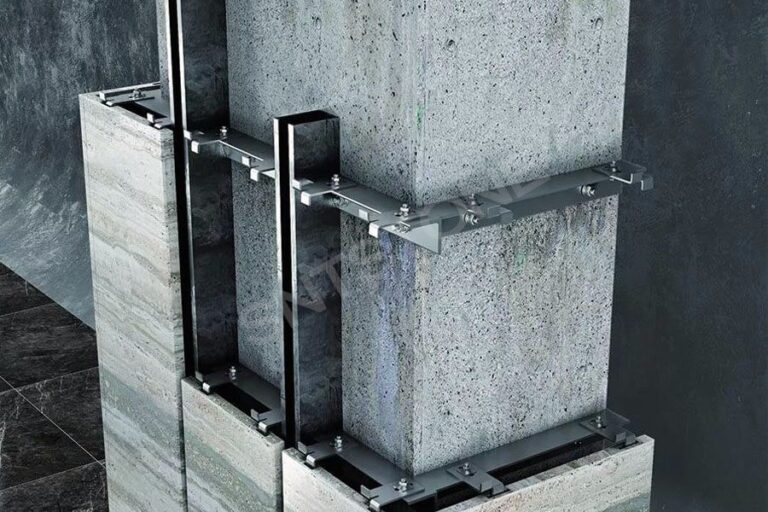
Large-format slabs allow seamless countertops, minimal grout lines, and elegant wall panel installations. Designers can create luxurious, minimalist, or industrial interiors using the same material in different finishes.
Eco-Friendly and Sustainable
Sustainability is another key reason for the growth of engineered stone. Many modern brands incorporate recycled minerals and environmentally conscious production processes. Engineered stone has a long lifespan, reducing waste and the need for frequent replacement. In terms of lifecycle impact, engineered materials offer a more sustainable alternative compared to quarry stone extraction.
Where Engineering Stone Works Best
Some of the most common applications for engineering stone include:
- Kitchen countertops and islands
- Bathroom vanities and shower walls
- Outdoor kitchens and bar counters
- Pool coping and landscaping
- Interior wall cladding and flooring
- Commercial surfaces in hotels, restaurants, and offices
Its versatility allows architects to use one material throughout the property for a unified design.
Conclusion
The rise of engineering stone reflects a growing demand for surface materials that offer strength, beauty, and zero maintenance. With its high durability, hygienic features, and design flexibility, engineered stone like Dekton and Lapitec is quickly becoming the standard for modern architecture and interior design. As technology continues to develop, engineered stone will likely dominate both residential and commercial projects for years to come.