Sintered stone has become one of the most preferred materials for luxury interior and exterior design, offering a combination of aesthetic beauty, long-term durability, and effortless maintenance. Architects, designers, and homeowners are increasingly choosing sintered stone over traditional materials because it delivers the perfect balance of performance and style. As modern building trends continue to evolve, sintered stone stands out as a future-proof solution for high-end residential, commercial, and hospitality projects.
What Is Sintered Stone?
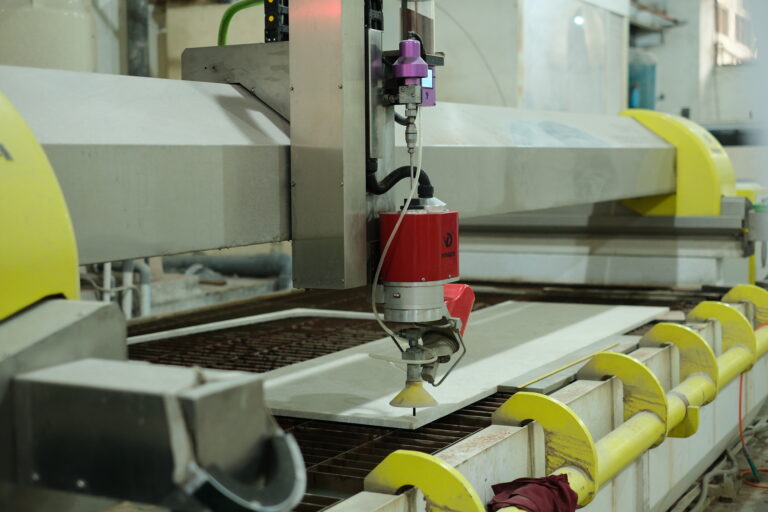
Sintered stone is a man-made surface material created through a process called sintering, where natural minerals are subjected to extreme heat and pressure to form a compact, non-porous slab. Unlike quartz, which contains resins or binders, sintered stone is considered one of the most natural engineered materials available, offering superior structural stability and durability.
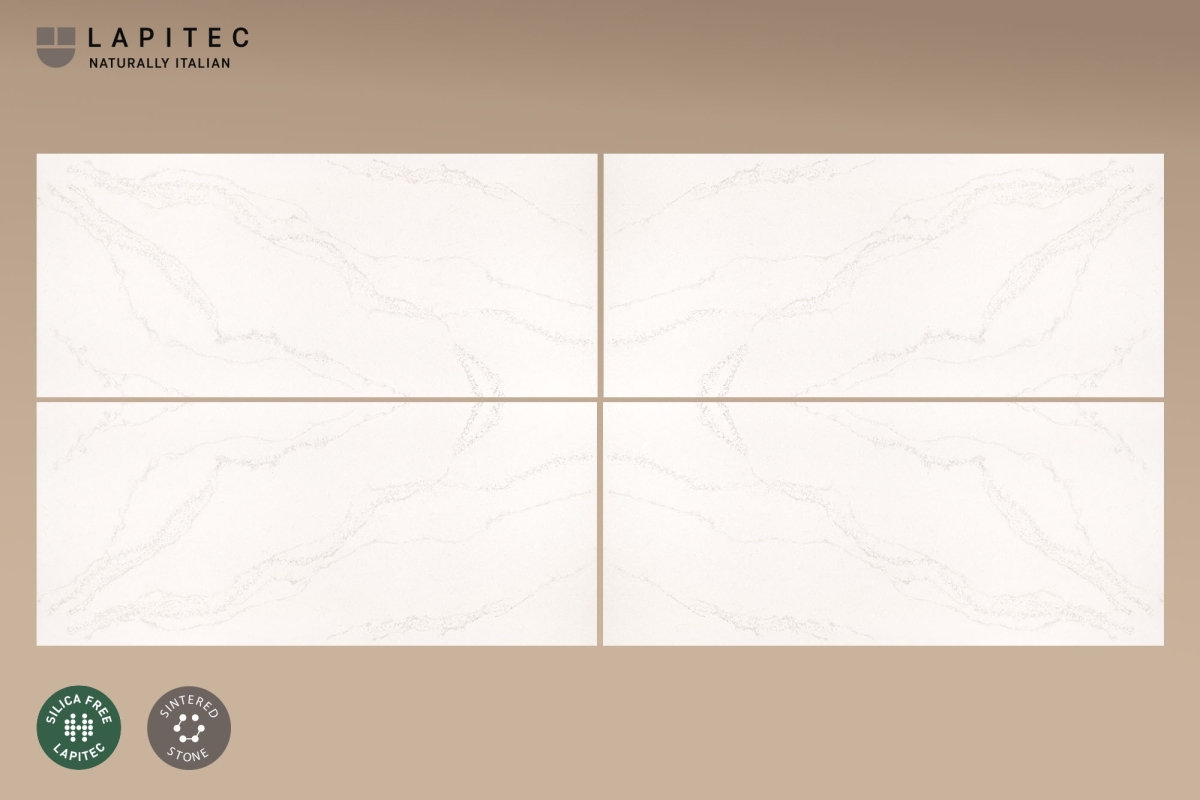
Well-known brands like Dekton and Lapitec lead the industry with advanced formulas that mimic the qualities of natural stone while providing enhanced performance.
Why Luxury Projects Choose Sintered Stone
In luxury design, materials must look stunning and perform flawlessly. Sintered stone fulfills both requirements by offering:
- Zero porosity
- High resistance to heat and UV
- Scratch and impact durability
- Stain and chemical resistance
- Low maintenance requirements
These features make it a practical choice for both indoor and outdoor applications where beauty must endure over time.
Endless Aesthetic Possibilities
One of the top advantages of sintered stone is its wide variety of colors, patterns, and textures. With advanced digital and mineral printing technologies, manufacturers can create surfaces that resemble:
- Carrara and Calacatta marble
- Slate and basalt
- Concrete and cement styles
- Industrial metallic tones
- Soft matte or silky finishes
Large-format slabs allow for continuous surface installations with minimal visible seams. This creates a clean, refined design that is highly sought after in contemporary architecture.
Interior Applications of Sintered Stone
Inside luxury homes and commercial spaces, sintered stone offers designers maximum flexibility. Popular uses include:
-
Kitchen Countertops and Islands
Resistant to heat, stains, and knife scratches, sintered stone is ideal for food preparation areas.
-
Bathroom Vanities and Shower Walls
Zero porosity prevents mold, mildew, and soap stains, maintaining a clean and hygienic surface.
-
Flooring and Wall Panels
Large slabs reduce grout lines, creating elegant visual continuity across rooms.
-
Fireplace Cladding
With high heat resistance, sintered stone performs safely around fireplaces and heat sources.
Exterior Applications of Sintered Stone
Outdoor environments require materials that can withstand constant exposure to sunlight, rain, humidity, and changing temperatures. Sintered stone is engineered for exterior durability, including:
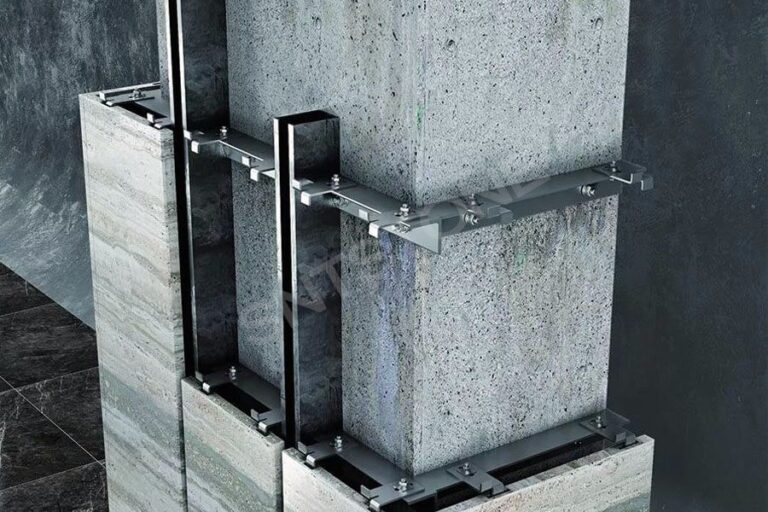
- Facade cladding
- Outdoor kitchens and bar countertops
- Pool coping and terrace surfaces
- Garden walls and patio flooring
UV stability ensures the color stays vibrant even in tropical or coastal conditions.
Sintered Stone vs Natural Stone
Although natural stone can be visually stunning, it is limited by porosity, fragility, and maintenance needs. Sintered stone offers several advantages:
- No sealing required
- Higher heat resistance
- Greater surface consistency
- Better long-term appearance
For luxury projects that must stay beautiful with minimal effort, sintered stone provides the best value.
Maintenance and Cleaning Benefits
Care for sintered stone is extremely simple. Basic cleaning with water and a mild detergent is all that is required. The surface does not absorb oils, acids, or food residue, making it perfect for high-use areas.
Unlike quartz or marble, sintered stone will not etch, turn dull, or stain over time. This makes it a long-term investment for property owners.
Choosing the Right Brand and Finish
Two of the top brands recommended by architects and design professionals are:
- Dekton: Known for superior outdoor performance and industrial strength
- Lapitec: Recognized for elegant textures and luxurious finish options
When selecting sintered stone, consider:
- Thickness
- Texture
- Edge profile
- Color direction (warm, cool, or neutral tones)
Correct selection ensures the material fits the visual and functional requirements of the project.
Conclusion
Sintered stone is a game-changing material for luxury interior and exterior design. With its unmatched durability, design versatility, and zero-maintenance performance, it is quickly becoming the preferred choice among architects, designers, and homeowners. Whether used for kitchens, bathrooms, facades, or outdoor living spaces, sintered stone offers long-lasting beauty and technical superiority that natural stone cannot match.