Travertine stone has long been admired as one of the most elegant and versatile natural stones in architecture. From ancient Roman structures to today’s high-end residential and commercial buildings, travertine continues to bridge the gap between classic beauty and modern design. Its warm tones, natural textures, and timeless character make it a favorite choice for architects, interior designers, and property developers across the world.
In this article, we’ll explore why travertine stone is ideal for both modern and classic architectural projects, how it’s commonly used, and what makes it a premium material for long-term investment.
What Is Travertine Stone?
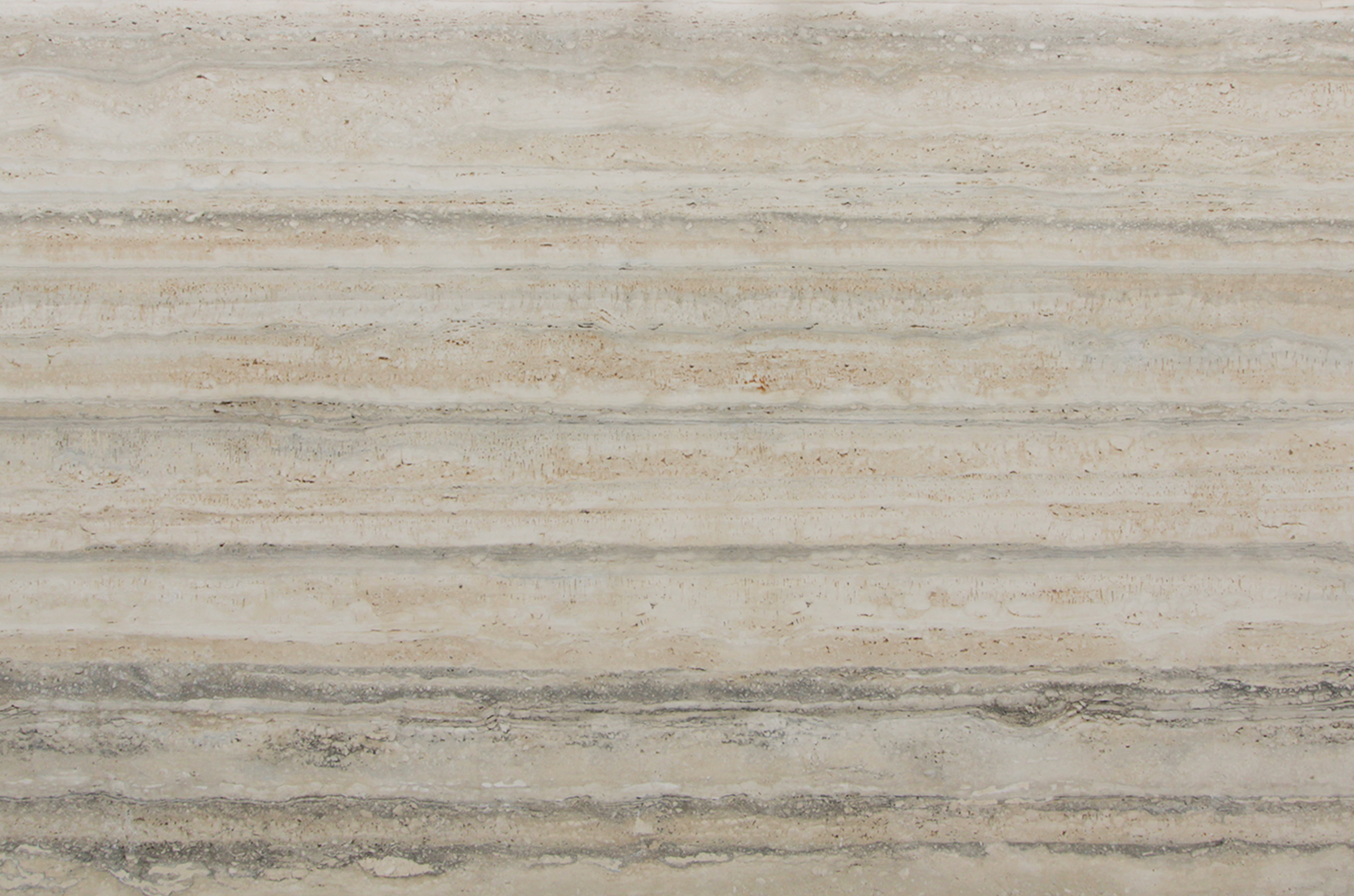
Travertine is a type of natural limestone formed by mineral deposits from hot springs. Unlike polished marble, travertine has a porous surface with natural holes and veins, giving it a distinct organic look. These natural characteristics are not flaws—on the contrary, they are what make travertine highly desirable for architectural applications.
Available in colors such as beige, cream, ivory, walnut, silver, and light brown, travertine stone easily adapts to various design styles, from minimalist modern homes to classical Mediterranean villas.
Why Travertine Works for Modern Architecture
Modern architecture often emphasizes clean lines, neutral palettes, and natural materials—and this is where travertine shines.
1. Minimalist and Natural Aesthetic
Travertine’s soft, earthy tones complement modern designs that prioritize simplicity and balance. When used on facades, flooring, or feature walls, it adds warmth without overpowering the overall look.
2. Matte and Honed Finishes
Modern projects frequently use honed or brushed travertine finishes, which create a smooth yet understated surface. These finishes align perfectly with contemporary interiors that avoid excessive gloss.
3. Indoor–Outdoor Continuity
Travertine is widely used in outdoor flooring, pool decks, and terraces, allowing seamless transitions between interior and exterior spaces—an essential concept in modern architectural design.
Travertine in Classic and Timeless Architecture
While travertine is popular in modern design, its roots lie deeply in classical architecture.
1. A Stone with Historical Prestige
From ancient Roman amphitheaters to European palaces, travertine has symbolized strength, luxury, and permanence for centuries. Using travertine in classic projects instantly adds a sense of heritage and prestige.
2. Elegant Textures and Veining
Classic architecture often celebrates ornamentation and natural beauty. The veins and subtle color variations of travertine enhance columns, arches, staircases, and grand entryways.
3. Perfect for Large-Scale Surfaces
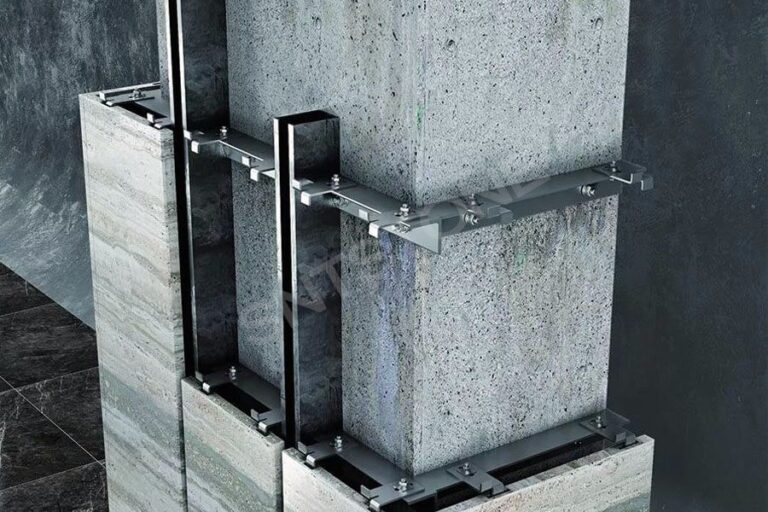
Travertine slabs are ideal for large walls, lobbies, and exterior facades, creating a monumental and refined appearance that suits classic architectural proportions.
Common Applications of Travertine Stone
Travertine’s versatility makes it suitable for a wide range of architectural and interior applications:
- Exterior facades and cladding
- Interior flooring and wall panels
- Bathrooms and spa areas
- Staircases and hallways
- Swimming pool surrounds
- Fireplace surrounds
- Commercial spaces such as hotels, offices, and luxury retail
Whether cut into tiles or large slabs, travertine stone enhances both residential and commercial projects.
Durability and Long-Term Value
Beyond aesthetics, travertine stone is valued for its durability and longevity. When properly sealed and maintained, it can last for decades—even centuries.
Key benefits include:
- Strong resistance to weather changes
- Natural cooling properties (ideal for tropical climates)
- Easy to repair and refinish
- Adds long-term value to property investments
For architects and developers, travertine is not just a design choice—it’s a strategic material investment.
Choosing Travertine for Your Architectural Project
When selecting travertine stone, consider:
- Finish type (honed, filled, brushed, tumbled)
- Color consistency or natural variation
- Application area (interior vs exterior)
- Slip resistance for wet areas
- Quality of cutting and installation
Working with a trusted natural stone supplier ensures you receive premium-grade travertine with proper guidance for design and installation.
Conclusion
Travertine stone remains one of the most adaptable and timeless materials in architecture. Its ability to harmonize with modern minimalism and classic elegance makes it a top choice for architects, designers, and property owners seeking beauty, durability, and long-term value.
Whether used in a sleek contemporary villa or a grand classical building, travertine stone delivers character, warmth, and architectural prestige that few materials can match.