Sintered stone in high-moisture environments is becoming one of the most trusted solutions for modern architectural and interior design projects. Spaces exposed to frequent water contact such as bathrooms, pool decks, outdoor kitchens, spa facilities, and coastal properties require materials that resist moisture, staining, mold, and long-term structural damage. Traditional surfaces like natural stone, concrete, and tile may seem suitable, but they can absorb moisture and eventually deteriorate. Sintered stone, including products like Dekton and Lapitec, offers a high-performance alternative that combines water resistance with lasting durability and low maintenance.
Why Moisture Resistance Matters
High-moisture environments constantly expose surfaces to:
- Water splashes
- Steam and humidity
- Pool chemicals
- Mineral deposits
- Rain and condensation
If the material is porous, moisture can penetrate and cause:
- Mold growth
- Odor buildup
- Staining
- Structural cracking
Sintered stone solves these problems with zero porosity, ensuring that surfaces stay clean and stable even in areas that are constantly wet.
Zero Porosity for Maximum Protection
The greatest advantage of sintered stone in wet conditions is that it does not absorb water. This eliminates the most common moisture-related issues associated with traditional materials.
Zero porosity ensures:
- No mildew
- No algae formation
- No watermarks
- No internal moisture buildup
This makes sintered stone ideal for use in:
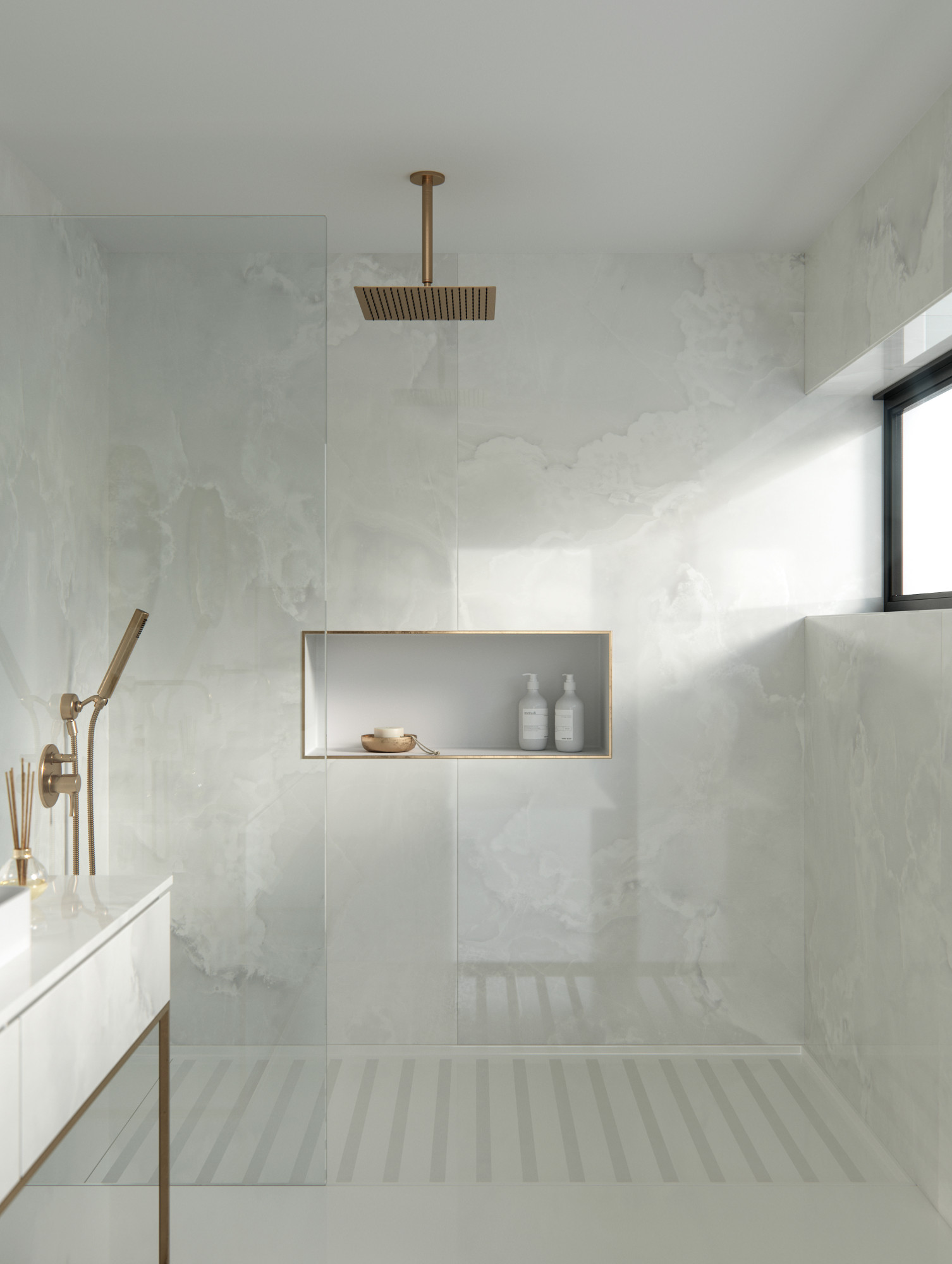
- Shower walls
- Bathtub surrounds
- Pool coping
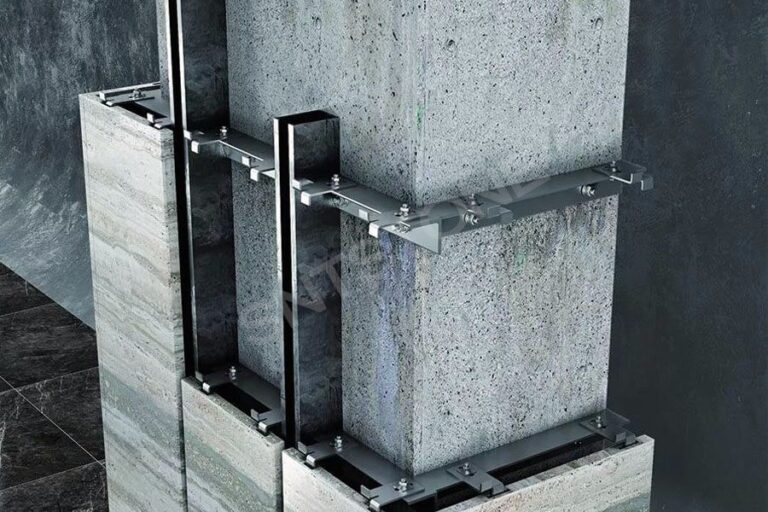
- Exterior cladding
- Outdoor entertainment areas
Chemical and Chlorine Resistance
High-moisture environments often require cleaning agents, pool chemicals, saltwater, or mineral-treated water sources. Many materials, especially natural stone, can become damaged over time when exposed to these substances.
Sintered stone is chemical resistant, meaning it can handle:
- Chlorine
- Detergent
- Salts
- Cleaning products
These benefits are especially valuable for:
- Resort properties
- Spa centers
- Coastal homes
- Public swimming facilities
The surface remains visually consistent and structurally sound, even with frequent chemical exposure.
UV Stability in Outdoor Wet Areas
Wet areas are typically exposed to sunlight, especially in outdoor environments. UV rays can fade or weaken materials like tile, concrete, and natural stone.
Sintered stone is UV-resistant, helping it maintain its original color and texture for years. This makes it perfect for:
- Poolside patios
- Outdoor kitchens
- Rooftop spas
- Water features and fountains
Even in intense tropical sun, sintered stone stays visually attractive without bleaching or discoloration.
Slip-Resistant Surface Options
Safety is crucial in wet areas where surfaces can become slippery. Manufacturers like Dekton and Lapitec produce slip-resistant finishes ideal for high-moisture zones.
These include:
- Textured matte
- Anti-slip grain
- Structured surfaces
They provide traction while maintaining elegant aesthetics a major advantage for family homes, hotels, and public pool decks.
Easy Cleaning and Low Maintenance
High-moisture areas often require constant cleaning. Soap residue, mineral spots, shampoo, and body oils can accumulate over time on porous materials.
Sintered stone simplifies maintenance because it:
- Repels water
- Resists stains
- Does not need sealing
- Cleans with mild detergent
This reduces long-term cleaning costs and keeps surfaces looking new with minimal effort.
Durability and Impact Resistance
Wet areas are often high-traffic zones that experience constant physical contact, furniture movement, and repetitive use. Sintered stone is engineered to resist:
- Scratches
- Impact damage
- Abrasion
- Surface cracks
This makes it suitable for commercial properties where durability is essential.
Design Flexibility for Wet Spaces
Sintered stone offers wide design options — from marble-look panels to matte modern finishes. Large-format slabs allow seamless installations for:
- Shower rooms
- Pool lounges
- Spa cabins
- Outdoor bars
Because there are fewer joints, surfaces look clean and elegant, enhancing modern architectural style.
Conclusion
Sintered stone in high-moisture environments delivers exceptional performance where traditional materials struggle. With zero porosity, slip-resistant finishes, chemical resistance, UV stability, and easy maintenance, sintered stone is ideal for bathrooms, pools, spas, outdoor kitchens, and coastal living spaces. For architects, designers, and property owners seeking surfaces that remain beautiful and durable even under constant wet conditions, sintered stone is a long-lasting, reliable choice.