Modern architecture trends are increasingly defined by clean lines, seamless surfaces, and long-lasting exterior materials. One of the most significant innovations that architects are embracing today is the widespread use of sintered stone panels, particularly from brands like Dekton and Lapitec. Unlike traditional building materials such as ceramic, concrete, brick, or natural stone, sintered stone offers superior resistance to UV, moisture, heat, and pollutants—making it ideal for contemporary construction in both residential and commercial environments.
Why Sintered Stone Is Taking Over Modern Architecture
Architecture evolves every decade, but certain performance requirements remain constant: durability, low maintenance, sustainability, and aesthetic flexibility. Sintered stone panels meet all of these requirements while providing additional benefits that traditional cladding materials cannot match.
Architects are shifting toward sintered stone because it delivers:
- Consistent visual appearance
- Long-term outdoor durability
- Low environmental impact
- High resistance to damage and weather
As design standards move toward minimalism and large-scale paneling, sintered stone is becoming a core building material in modern architecture.
Seamless Cladding with Large-Format Panels
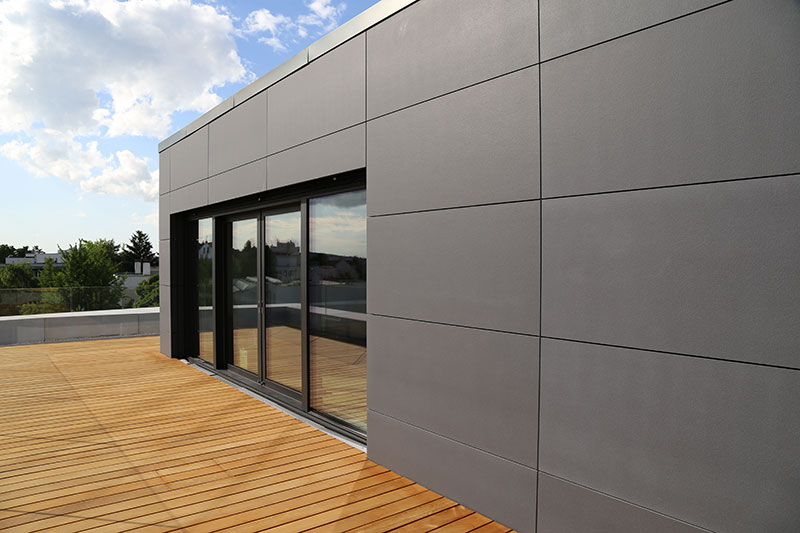
A major visual trend in contemporary building design is the use of large, continuous exterior surfaces with minimal joint lines. Sintered stone panels are available in large formats sometimes reaching full wall height which allows architects to create sleek façades with uninterrupted surface flow.
Benefits include:
- Fewer visible joints
- Faster installation
- Cleaner modern appearance
- Better water control
This design style is especially popular in luxury homes, corporate offices, and urban development projects.
UV and Weather Resistance for Exterior Longevity
Buildings must withstand years of exposure to sunlight, rain, wind, and pollutants. Many traditional façade materials fade, crack, or warp over time, requiring costly maintenance or replacement.
Sintered stone panels offer:
- UV stability (no fading or discoloration)
- Freeze–thaw resistance (ideal for extreme seasons)
- Zero porosity (no water infiltration)
These properties ensure façade surfaces remain visually strong and technically stable for decades.
Sustainability and Eco-Friendly Material Production
Modern architecture trends heavily emphasize sustainable materials. Sintered stone panels are made from natural minerals without petroleum-based binders or synthetic resins.
Environmental advantages include:
- Low VOC emissions
- Recyclable raw ingredients
- Long material lifespan (less waste)
- Reduced maintenance chemicals
Many sintered stone brands are certified for green building standards, making them ideal for eco-conscious architectural projects.
Versatile Aesthetic Options
One of the reasons sintered stone dominates modern architecture trends is the flexibility of its design options. Designers can select from multiple style categories, including:
- Marble-look veining
- Industrial concrete textures
- Solid matte colors
- Metallic finishes
- Soft stone and neutral palettes
This allows architects to achieve highly customized looks without compromising performance.
Popular modern applications include:
- Minimalist dark façades
- Scandinavian neutral exteriors
- Industrial gray paneling
- Contemporary black and white cladding
Fire and Heat Resistance for Safety
Building safety is a critical consideration, especially for high-rise structures, commercial centers, and urban developments. Sintered stone panels are fire resistant and do not burn, melt, or emit toxic smoke.
This makes sintered stone ideal for:
- Public buildings
- Apartment complexes
- Commercial parks
- Mixed-use developments
Fire safety compliance is one of the reasons developers prefer sintered stone over composite cladding systems.
Low Maintenance and Reduced Lifecycle Costs
Unlike painted exteriors, timber panels, or natural stone, sintered stone requires very little maintenance.
Advantages include:
- No sealing
- No re-painting
- No polishing
- No chemical treatment
Maintenance savings are substantial over the building’s lifespan, making sintered stone a smart long-term investment for property owners and developers.
Rising Demand in Residential and Commercial Projects
Architects are using sintered stone panels in:
- Luxury villas
- High-end residential towers
- Hotels and resorts
- Corporate headquarters
- Public infrastructure buildings
The combination of structural durability and modern beauty makes sintered stone one of the fastest-growing cladding materials in contemporary architecture.
Conclusion
Modern architecture trends increasingly favor sintered stone panels due to their minimalistic aesthetics, long-term durability, sustainability, and design versatility. Whether used for exterior cladding, interior walls, or architectural accents, sintered stone supports innovation while reducing maintenance and improving performance. For architects and designers seeking future-proof building solutions, sintered stone is becoming the dominant material of choice in today’s construction landscape.