Lapitec countertops vs natural marble is a common comparison among homeowners, architects, and interior designers who are searching for long-lasting, high-performance surface materials. While natural marble has been admired for centuries due to its timeless beauty, modern engineering stone like Lapitec offers superior durability, hygiene, and resistance for today’s demanding lifestyles. Understanding how these two materials perform over time is essential before making a long-term investment in kitchen countertops, islands, bathrooms, or luxury interiors.
This article explores the key differences between Lapitec and natural marble, focusing on durability, maintenance, performance, and long-term value.
1. Material Composition: Engineered Stone vs Natural Stone
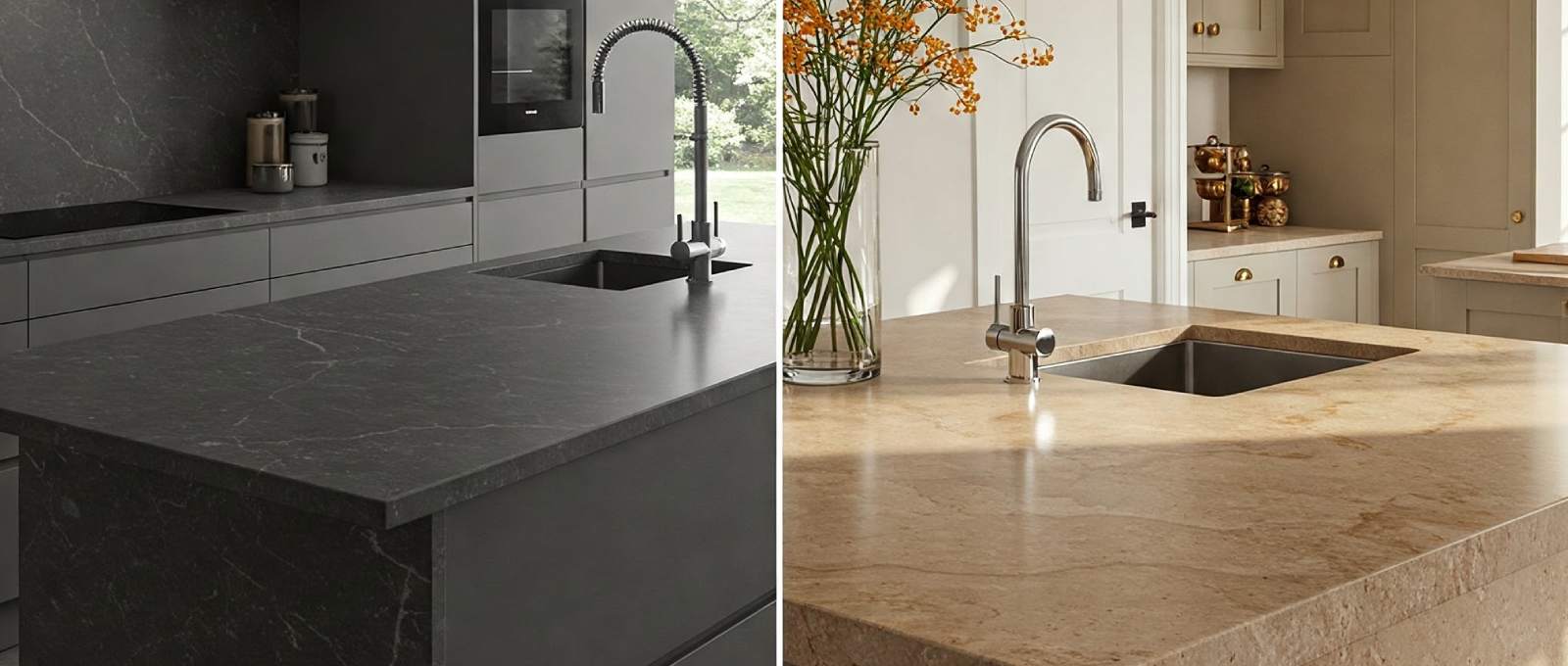
Lapitec countertops are made from 100% natural minerals using an advanced full-body sintering process. Unlike quartz surfaces, Lapitec contains no resins, binders, or pigments. The slab is compacted under extreme heat and pressure, resulting in a non-porous, ultra-durable surface with consistent color and structure throughout.
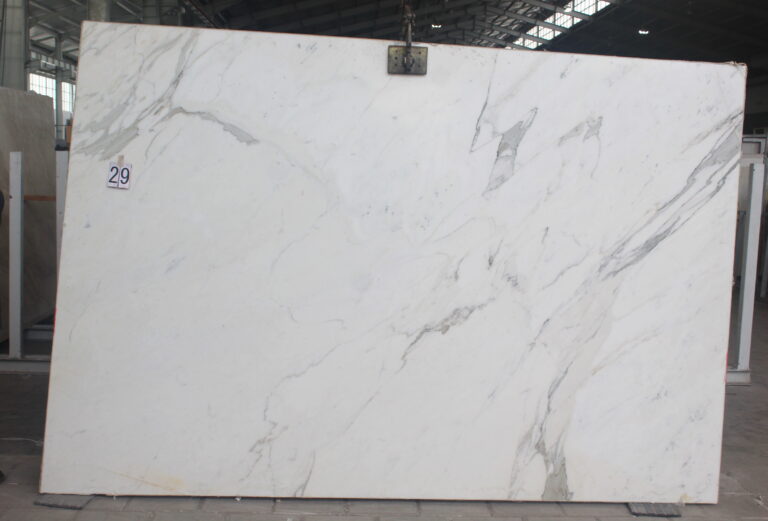
Natural marble, on the other hand, is a metamorphic stone formed naturally over thousands of years. Each slab is unique, featuring natural veining and color variations. However, marble is inherently porous and relatively soft compared to modern engineered stones, making it more susceptible to damage over time.
When it comes to structural stability, Lapitec clearly offers a more controlled and predictable performance.
2. Durability and Resistance to Daily Use
Lapitec durability is one of its strongest advantages. It is engineered to resist the most common causes of surface damage, including:
- Scratches and abrasions
- Heat and thermal shock
- Acids, oils, and household chemicals
- Water absorption and staining
- Bacteria and mold growth
Because Lapitec is non-porous, spills such as coffee, wine, lemon juice, or cooking oil remain on the surface and can be wiped away easily without leaving stains.
Natural marble durability is more limited. Marble can scratch from knives or cookware, and acidic substances like vinegar, citrus, or wine can cause permanent etching. Heat exposure may also discolor or weaken the surface over time.
For households with heavy daily use, Lapitec clearly lasts longer with far less risk of damage.
3. Maintenance Requirements Over Time
Lapitec countertops require minimal maintenance. They do not need sealing, polishing, or special cleaning products. A simple wipe with water and mild detergent is enough to keep the surface clean and hygienic. This low-maintenance nature makes Lapitec ideal for modern kitchens, pantries, and bathrooms.
Natural marble maintenance, by contrast, is more demanding. Marble must be sealed regularly to reduce absorption, yet even sealed marble can still stain or etch. Polishing is often required to restore its appearance, and improper cleaning products can permanently damage the surface.
Over years of use, the maintenance cost and effort required for marble can become significant compared to Lapitec.
4. Hygiene and Food Safety
Lapitec kitchen countertops are certified as food-safe and antibacterial. The non-porous surface prevents bacteria, mold, and mildew from penetrating the slab. This makes Lapitec an excellent choice for kitchens, pantries, and food preparation areas, especially in households that prioritize hygiene.
Natural marble countertops are porous, which means liquids and bacteria can seep into microscopic pores. Over time, this can lead to hygiene concerns, odors, and discoloration — particularly in high-use kitchen environments.
For modern living standards, Lapitec offers a much safer and cleaner surface.
5. Aesthetic Longevity and Visual Stability
Lapitec aesthetics are designed to remain consistent over time. Because the color runs through the entire slab, minor scratches or edge details remain visually uniform. Lapitec is also UV-resistant, ensuring that its color does not fade even when exposed to sunlight.
Natural marble aesthetics can change significantly over time. Staining, etching, and surface wear can alter its appearance, sometimes creating a “patina” that some homeowners appreciate — but others see as damage.
If long-term visual consistency is important, Lapitec provides a more reliable solution.
6. Long-Term Value: Which One Truly Lasts Longer?
When evaluating long-term performance, Lapitec countertops vs natural marble clearly show a difference. While marble offers classic beauty, it requires careful handling, frequent maintenance, and acceptance of natural wear.
Lapitec, on the other hand, delivers:
- Longer lifespan with minimal upkeep
- Higher resistance to damage
- Superior hygiene
- Stable aesthetics over time
- Lower long-term maintenance costs
For homeowners and designers seeking a surface that will look and perform like new for many years, Lapitec is the clear winner.
Conclusion: Lapitec Is Built for Longevity
Natural marble will always hold historical and aesthetic value, but in terms of durability, hygiene, and long-term performance, Lapitec countertops outperform marble in nearly every category. Engineered for modern lifestyles, Lapitec offers strength, beauty, and peace of mind that natural marble simply cannot match.
With expert material selection and installation from premium surface specialists like MM Galleri, Lapitec countertops become a smart investment that delivers lasting beauty and performance for decades.